
Here's a recap of events that occurred in India in the past 24 hours.

The decision marks first successful policy intervention.

The Union government could target a fiscal deficit of 5.8-6 per cent of nominal GDP for 2023-24, and it should continue its capital expenditure push and look to simplify the personal income tax regime, economists recommended Finance Minister Nirmala Sitharaman and her team during their pre-Budget interaction on Monday. Starting last week, Sitharaman had eight pre-Budget consultations this time. More than 110 invitees representing seven stakeholder groups participated in these meetings, the finance ministry said in a statement. The stakeholder groups included representatives and experts from agriculture and agro-processing industry; industry, infrastructure & climate change; financial sector and capital markets; services and trade; social sector; trade unions and labour organisations; and economists.
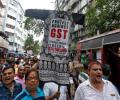
BMS, a union affiliated to RSS, plans rally at Delhi's Ramlila Ground on Nov 17; SJM to protest on Oct 29.

The Swadeshi Jagaran Manch has pointed out that these firms pose a threat to domestic manufacturing and retailing as they do not pay relevant taxes such as GST, giving them a huge edge over local players.

MPs will first attend a 'Farm Progress Show' in Iowa, then visit the Monsanto headquarters in St Louis, Missouri.

Sangh affiliates believe the government's apparent anti-poor message led to their loss

'By holding forth on Swadeshi economics, Bhagwat is showing his intent to fight back,' says Shekhar Gupta.

The fact that everyone but Agriculture Minister Radha Mohan Singh is speaking on the issue only gives credence to the specious fears of farmers that this government is out to get them. Aditi Phadnis reports

On the first anniversary of the Narendra Modi-led NDA government, Sangh Parivar affiliates say they are annoyed with the ruling dispensation but can't live without it either

Business reacted with caution to the reforms of 1991, and demanded protection from multinationals and imports. Twenty-five years later, traces of that demand can still be found, reports Bhupesh Bhandari.
 © 2026 Rediff.com - Advertise with us - Disclaimer - Privacy Policy - Sitemap - Feedback - About us - Terms of use - Grievances